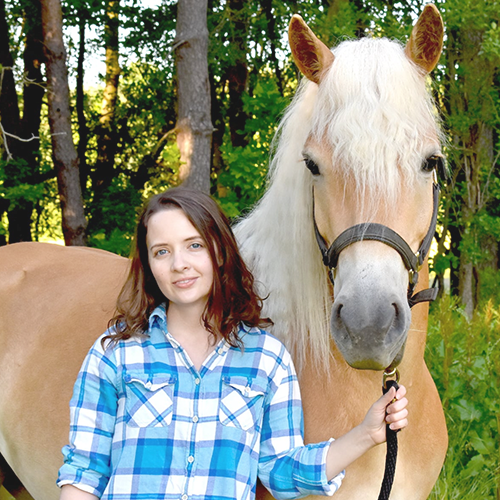
They have your horse’s best interest in mind.
Most equine professionals have the well-being of your horse in mind. In one way or
another, they’re there to support you in this journey of horse ownership. Some will have direct contact with your horse like a veterinarian or farrier, while others have supporting roles like equine insurance agents. Each has a very important role to fill in you and your horse’s life.
Different Types of Horse Professionals
- Veterinarian: These professionals are absolutely essential. It’s important every horse owner has a vet they can contact. They not only handle routine tasks like vaccines and joint support, but vets also handle emergencies like choking and lacerations. There are all sorts of veterinarian fields. Some focus on reproduction, while others specialize in sports medicine and rehabilitation.
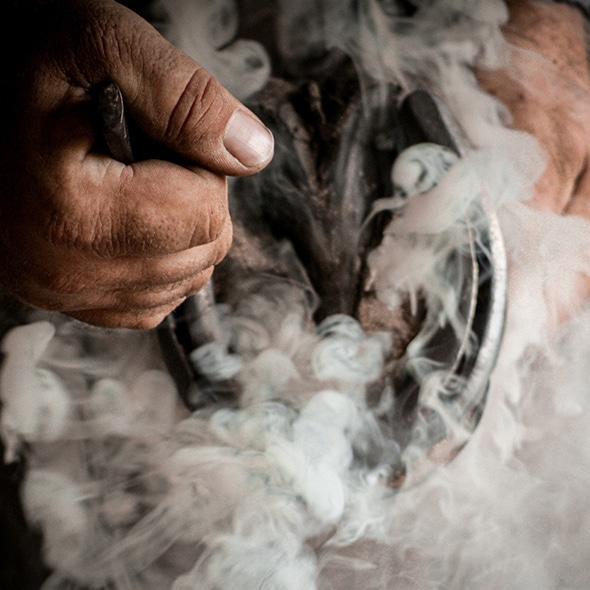
- Farrier: From trimming to shoeing, these professionals are also important. They specialize in equine hoof care. In fact, you’re likely to see your farrier more frequently than most other equine professionals. They should come to your barn every 5-8 weeks.
- Dentist: An equine dentist is a valuable professional in the community. Your horse should be examined and floated every year. Young or senior horses even more frequently! Occasionally, your veterinarian can double as your horse’s dentist. There are professionals that solely focus on equine dentistry though.
- Nutritionist: Your horse should be on a feeding program that matches their individual needs. You can work with an independent equine nutritionist to develop an appropriate plan or feed companies often have nutritionists available.
- Saddle Fitter: More research is showing how detrimental poorly-fitted tack can be to your horse’s back and body. Enlist the help of a saddle fitter to ensure your horse has a saddle that fits them. They will also make sure it fits you too!
- Horse Trainer: Not everyone is able to start and train their own horses. A colt starter can put a solid foundation on a young or unstarted horse. Other trainers are able to offer specialized training in various disciplines. Some offer lessons and compete on your horse for you.
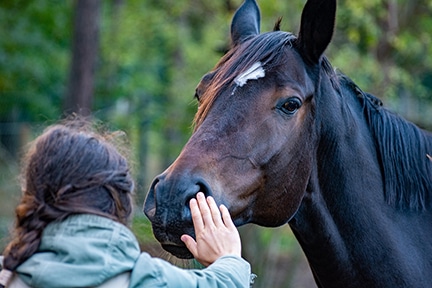
- Breeder: An equine breeder has the important role of producing the next generation of horses. They usually handle the breeding process of live cover or artificial insemination, oversee mare and foal care, and market and sell foals.
- Barn Manager: These professionals oversee the operation of a successful barn. They will ensure each horse has their needs met. They often manage a team of staff and order barn supplies.
- Chiropractor: They diagnose and treat musculoskeletal issues in horses. Chiropractors make adjustments to reduce your horse’s pain and improve their mobility. Their goal is to enhance your horse’s well-being.
- Insurance Agent: They work with owners, trainers, and breeders to offer insurance coverage. They’ll assess their client’s needs and provide different policy options. Some of their job duties include generating quotes, assisting with the application process, and providing client support.
There are so many other types of equine professionals, including massage therapists, riding instructors, equine photographers, freelance writers, grooms, and many more! You may or may not interact with these professionals on a regular basis, but one thing is for sure they all have an important role.